
Expert Picks of Popular Tree Removal Products for Safe Operations
Discover the most reliable and high-performance tools that ensure smooth and secure tree removal processes in any landscape.
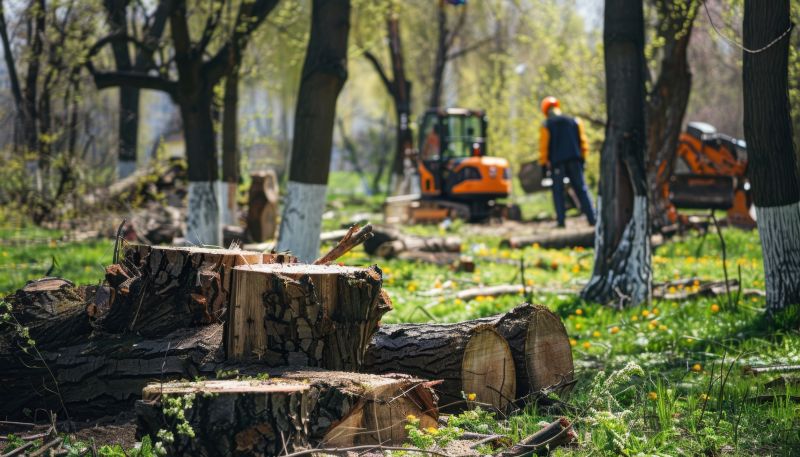 Tree removal is a task that requires careful planning and the right equipment to ensure safety and efficiency. Whether dealing with a hazardous limb, a fallen tree, or simply clearing space in a yard, having the appropriate tools can make the process smoother. In Sylvania, OH, where trees are a common part of the landscape, selecting the right products for tree removal is essential for homeowners and professionals alike. From manual tools to powered equipment, there is a wide variety of options designed to handle different sizes and types of trees.
Top Overall Option
Heavy-Duty Gas-Powered Chainsaw
A versatile and powerful chainsaw designed for demanding tree removal tasks. It features a robust engine, ergonomic design, and safety features to help users handle various sizes of trees with confidence. Ideal for both professional arborists and serious DIYers, this equipment can facilitate efficient cutting while prioritizing safety and durability.
Types of Products For Tree Removals
Manual Pruning Saws
Handheld saws designed for precise cuts and smaller branches, offering control and portability for detailed work.
Pole Pruners
Extendable tools that allow users to reach high branches safely from the ground, suitable for trimming and light removal.
Chainsaws (Gas & Electric)
Power tools for cutting through trunks and large branches, available in gas-powered and electric models for different needs.
Reciprocating Saws
Versatile power saws that can handle cutting through wood and smaller tree parts, useful in complex removals.
Tree Climbing Gear
Harnesses, ropes, and spikes designed for safe ascent and descent during tree removal or pruning.
Stump Grinders
Specialized equipment to grind down remaining stumps after tree removal, ensuring a clean finish.
Aerial Lift Platforms
Motorized lifts that provide elevated access to tall trees, ideal for large-scale or commercial removals.
Hand Axes and Hatchets
Manual tools suitable for small branches or initial cuts, offering portability and control.
Rope and Pulley Systems
Equipment used to control the direction of falling trees or large branches during removal.
Safety Helmets and Gear
Protective equipment essential for safeguarding against falling debris and accidents during tree work.
Loppers
Long-handled pruning tools ideal for cutting thicker branches with leverage.
Wood Chippers
Machines that convert branches and small trunks into mulch, useful for cleanup after removal.
Tree Felling Wedges
Tools used to guide the direction of a falling tree, ensuring controlled and safe removal.
Rope Saws
Portable saws operated with ropes, suitable for trimming or cutting in hard-to-reach areas.
Debarking Tools
Tools designed to remove bark from logs or branches during processing.
Popular Choices
Wireless and easy to handle, these chainsaws are favored for smaller to medium-sized tree work.
Long-reaching tools for safe pruning and removal of high branches without climbing.
Popular for detailed trimming and smaller branches, offering precision and control.
Accessories for power tools that facilitate stump grinding or removal after felling.
Essential for professional arborists and serious DIYers working at height safely.
Protective clothing designed to shield legs during chainsaw operation, enhancing safety.
Compact and easy to maneuver, ideal for trimming lower branches with minimal effort.
Mobile elevated work platforms used by professionals for large-scale or commercial tree removals.
Tools for controlling the fall of large branches or trees, reducing risk during removal.
Protective helmets equipped with visors and ear protection, widely used in tree work.
Machines that assist in processing felled trees into manageable firewood or lumber.
Heavy-duty ropes used for securing and guiding trees during felling operations.
Tools used to help direct the fall of a tree, ensuring controlled and safe removal.
Heavy-duty bags designed for collecting branches and smaller tree debris for easy cleanup.
Spikes used by arborists to ascend trees safely during removal or pruning.
Safety is paramount when undertaking tree removal projects. Proper protective gear, such as gloves, helmets, and eye protection, should always accompany the use of any tree removal tools. Additionally, understanding the size and location of the tree can influence the choice of equipment. Smaller trees may be manageable with hand tools, while larger, more complex removals often require powered equipment like chainsaws or even specialized tree removal machinery.
Investing in quality tools not only improves efficiency but also reduces the risk of accidents. For instance, using a durable chainsaw with safety features can make cutting safer and more manageable. Similarly, having sturdy climbing gear can help arborists or DIY enthusiasts access difficult areas safely. Proper maintenance of these tools is equally important to ensure they perform reliably over time. Overall, selecting the right products tailored to the specific removal task can significantly impact the safety and success of your project.
Key Buying Considerations
- Tree size and type: Larger trees may require more powerful equipment such as gas chainsaws or professional lifts.
- Safety features: Look for tools with safety guards, anti-vibration handles, and protective gear compatibility.
- Power source: Decide between gas, electric, or battery-powered tools based on mobility, convenience, and power needs.
- Ease of use: Consider the user’s experience level and choose tools that match their skill set.
- Durability and build quality: Invest in well-constructed tools that can withstand demanding tasks.
- Maintenance requirements: Regular upkeep of equipment ensures safety and prolongs lifespan.
- Weight and portability: Lighter tools are easier to handle but may offer less power; balance accordingly.
- Reach and accessibility: Use extendable tools for high branches or hard-to-reach areas.
- Environmental conditions: Choose equipment suitable for outdoor use and varying weather conditions.
- Budget: Determine a realistic budget that balances quality and affordability.
- Local regulations: Be aware of any local ordinances or safety standards related to tree removal.
- Availability of replacement parts and accessories: Ensure parts are accessible for ongoing maintenance.
- Noise levels: Consider tools with quieter operation if working in noise-sensitive areas.
- Compatibility with other gear: Ensure that safety equipment and tools can be used together effectively.
- Project scope: Match the equipment to the scale of your tree removal needs, from small pruning to large felling.
This content contains affiliate links. We may earn a commission if you purchase through these links, at no additional cost to you.