
Optimal Timing for Tree Removals
Determining the optimal time for tree removals involves considering seasonal factors, tree health, and environmental conditions. Proper timing can minimize risks and ensure safety during the removal process.
Winter is often preferred for tree removal due to dormant trees and less foliage, which allows for easier access and reduced impact on surrounding landscapes.
Spring can be suitable when trees are just beginning to leaf out, but it may interfere with the growth cycle of nearby plants and wildlife activity.
Summer removals are typically avoided due to active growth and higher temperatures, which can increase risks and stress on equipment.
Fall offers a balance with cooler weather and leaf drop, making it a viable option for tree removal projects.
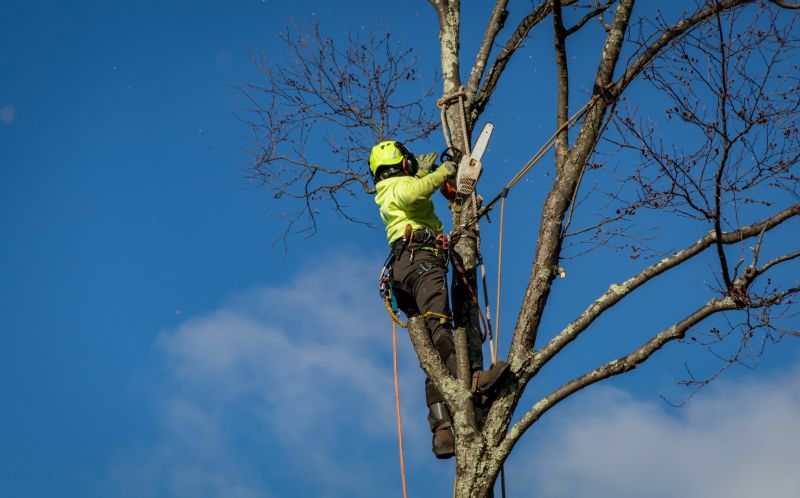
Winter offers optimal conditions for safe and efficient tree removal.
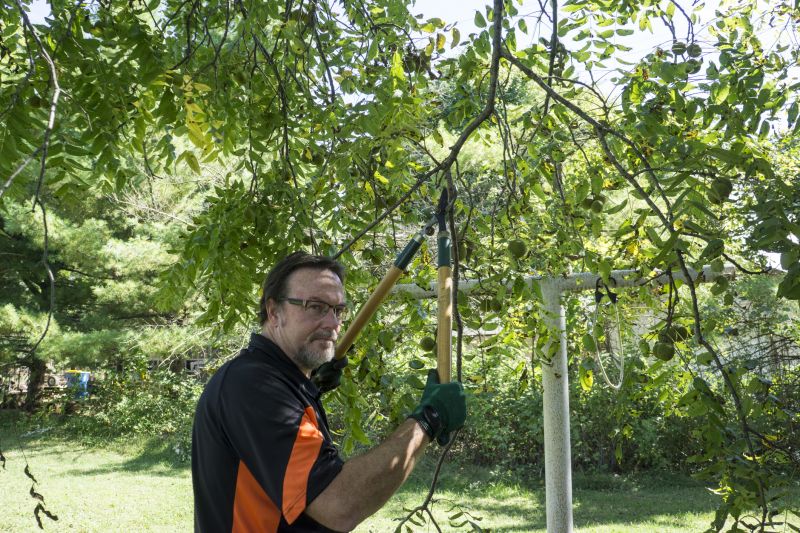
Spring involves considerations of new growth and wildlife activity.
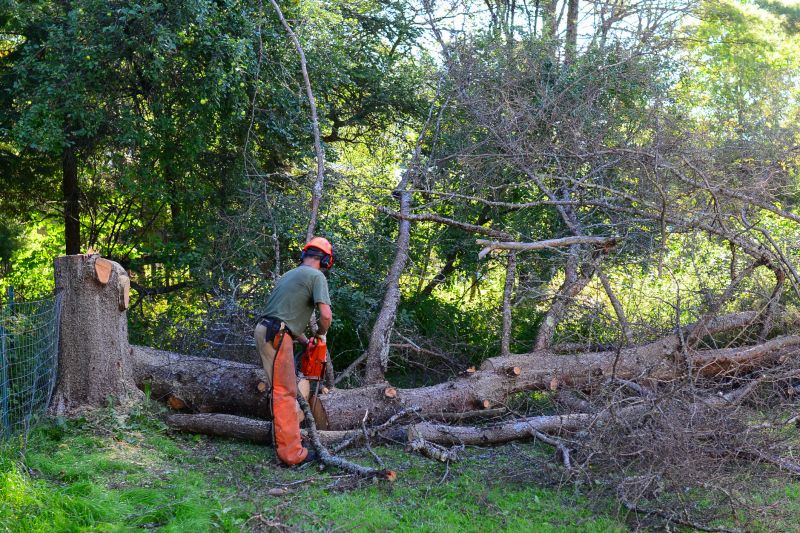
Summer presents challenges due to heat and active foliage.
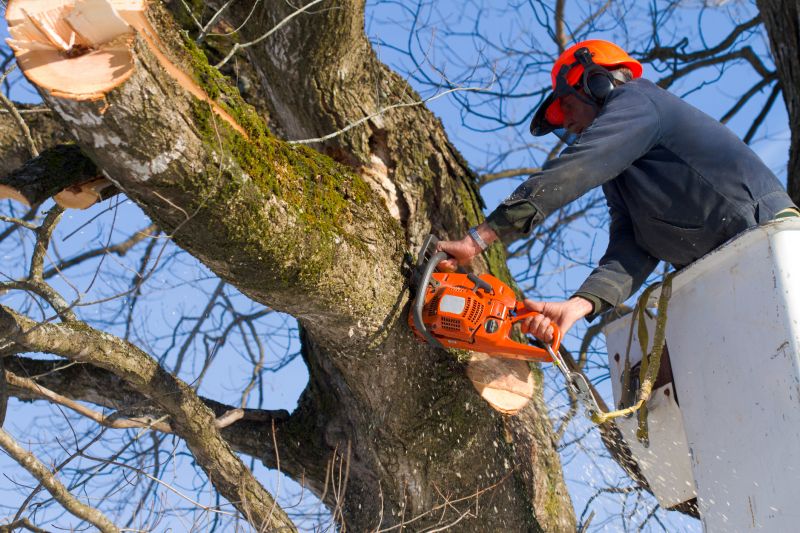
Fall provides cooler weather and less foliage for easier removal.
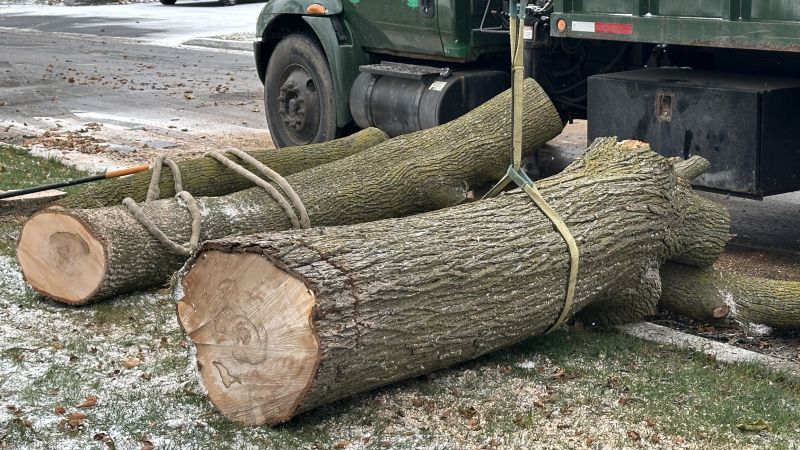
Ways to make Tree Removals work in tight or awkward layouts.
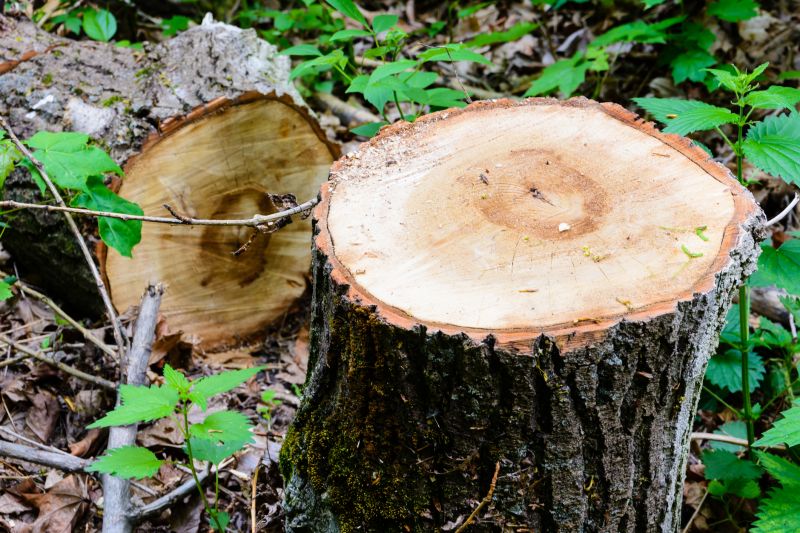
Popular materials for Tree Removals and why they hold up over time.
| Season | Advantages |
|---|---|
| Winter | Easier access, less foliage, safer conditions |
| Spring | Less leaf cover, early planning opportunity |
| Summer | Less common, higher risk, active growth |
| Fall | Moderate weather, leaf drop reduces cleanup |
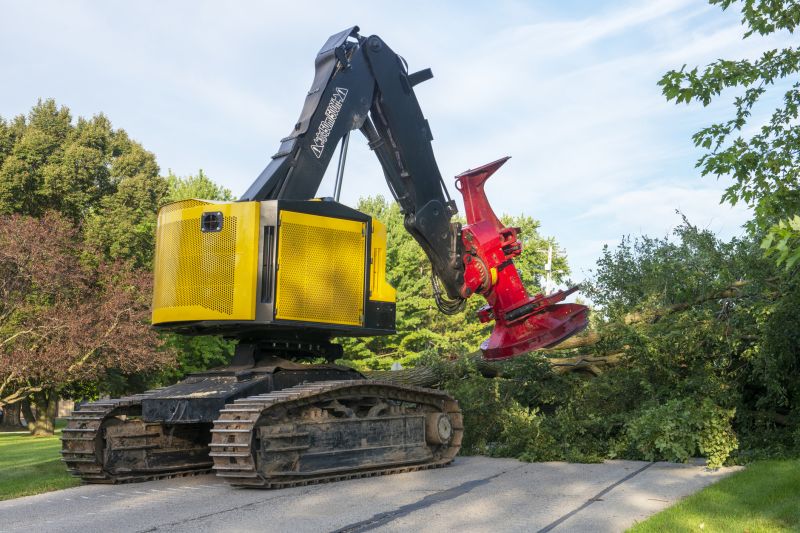
Specialized equipment is used for safe and efficient removal.
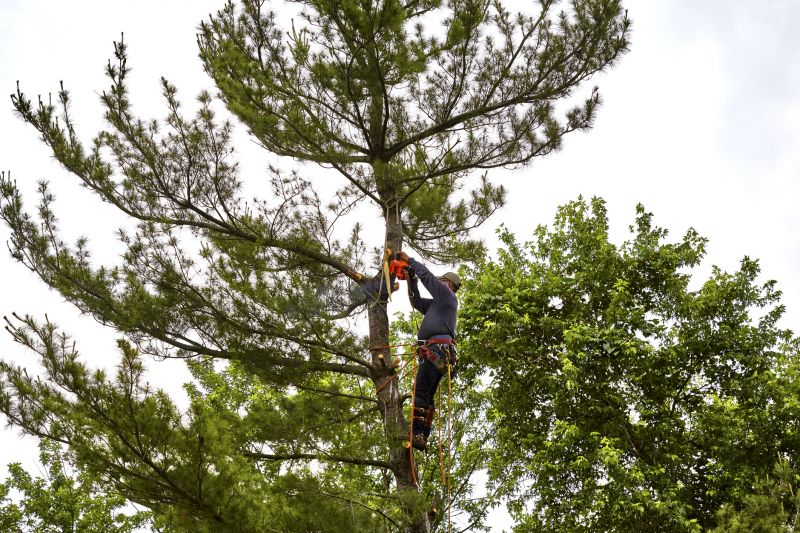
Proper techniques ensure safety and precision.
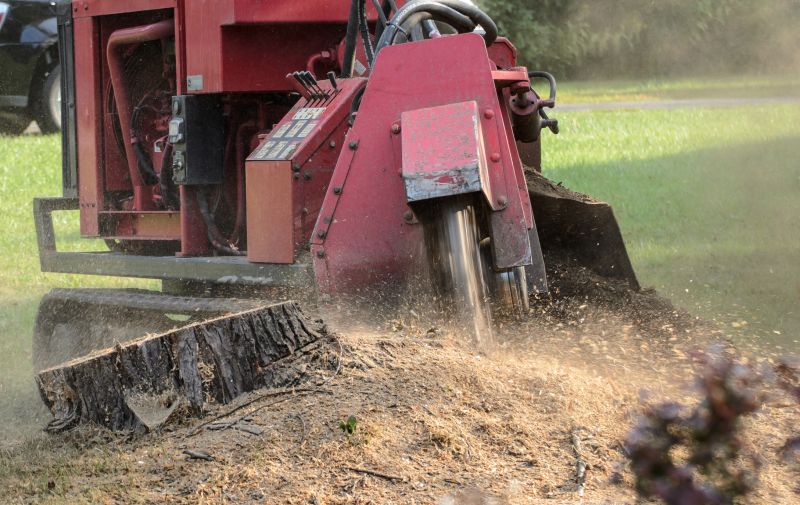
Post-removal stump grinding is often performed.
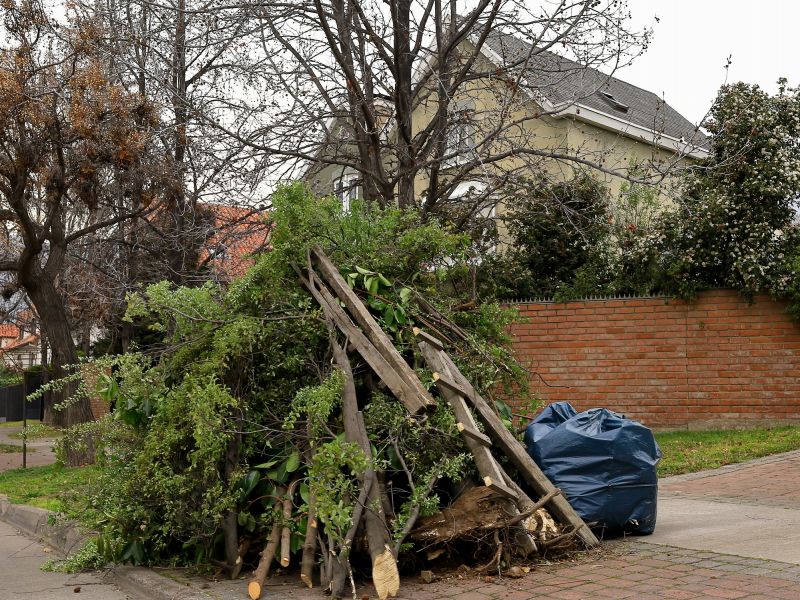
Materials are processed or recycled appropriately.
Interested parties should consider scheduling tree removals during the most suitable season to ensure safety and efficiency. Filling out the contact form can provide further assistance and help determine the best timing based on specific site conditions and project requirements.